SOLUX
Designing for Yahtzee with Buddies
Timeframe
2 years
Position
Solo UX/UI
Date
2023-2024
What is it?
SOLUX was the internal name for a multi-year initiative to redesign the social and family experience in Yahtzee With Buddies.
The goal was to improve how players discover games, interact with their families, and stay engaged over time, while balancing player trust, business goals, and a live-service game environment.
The work spanned multiple phases, leadership changes, and shifting priorities, requiring repeated reframing of both the problem and the solution.
My Role & Team Model
I was the UX owner for the social and family experience, working within long-standing cross-functional pods made up of UX, game design, engineering, art, and a project manager.
Unlike project-based teams, pods stayed together across initiatives. Each pod owned a specific area of the product end-to-end. I was assigned to social and families due to my background in psychology and research-driven design.
UX was involved from problem framing through delivery. I partnered closely with game design and PM during ideation, presented proposals to stakeholders, led research and testing, and supported implementation through development and QA.
How We Worked
Our process followed a consistent loop:
Business direction came from PM
UX and game design reframed the problem and explored solutions
We presented early concepts, impact estimates, and tradeoffs to stakeholders
Design progressed with bi-weekly reviews and research validation
Art and engineering were looped in early for feasibility and cost
UX stayed engaged through development to resolve edge cases
In parallel, we worked on internal initiatives such as design systems, UX guidelines, and research operations to improve long-term velocity.
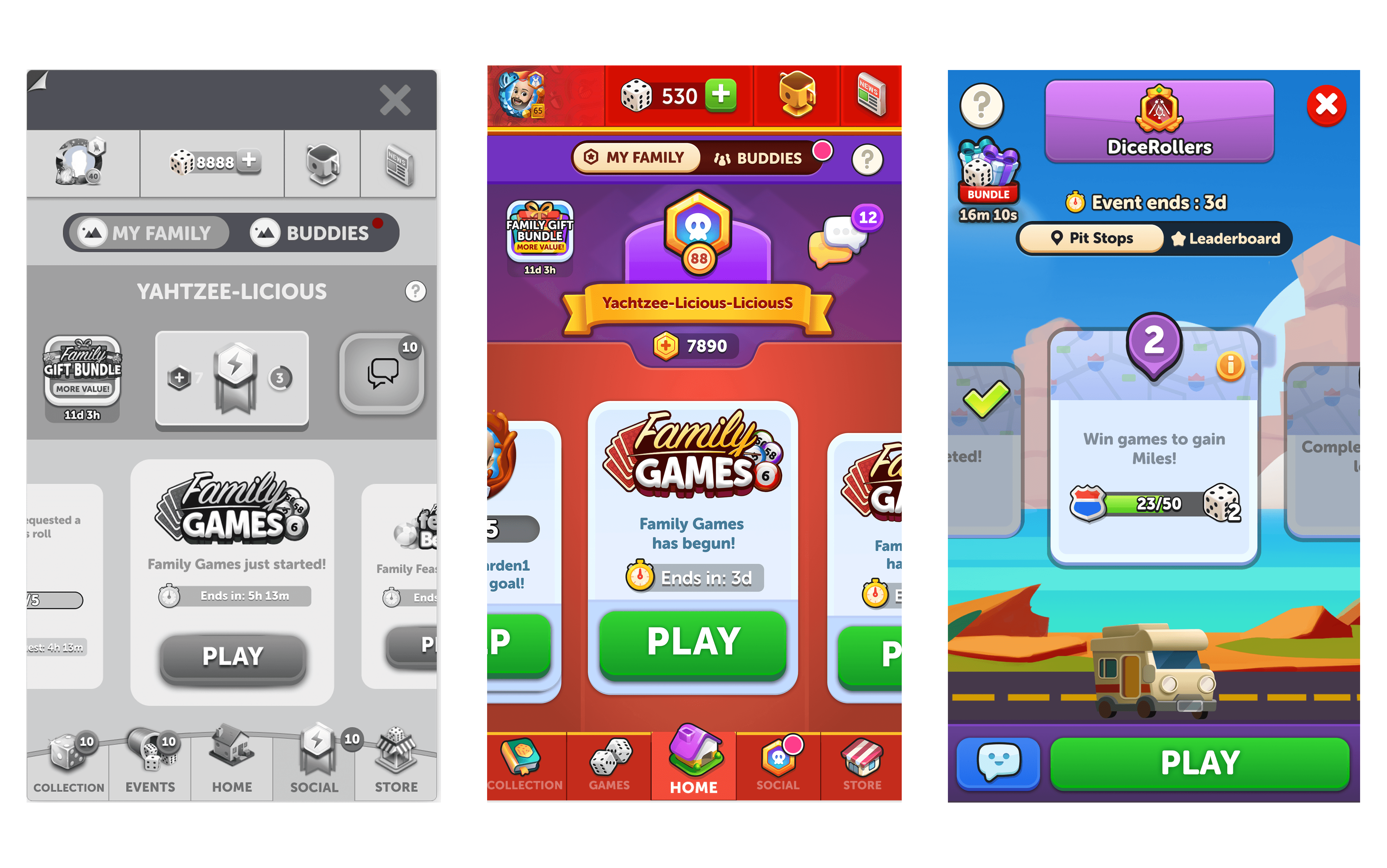
SOLUX: Multi-Phase Evolution (Summary)
Phase 1: Social Lobby Redesign (Paused)
Goal: Simplify the social lobby and better surface games and family interactions.
Challenge: Mid-project leadership changes shifted priorities toward faster, measurable wins.
Outcome: Design was well underway but paused before launch.
Phase 2: Road Trip Meta (Shipped & Validated)
Goal: Create a shared progression system that tied all social games together and encouraged families to play as a unit over time.
Challenge: Balancing stakeholder skepticism with player motivation and long-term engagement.
Outcome: Road Trip shipped successfully, increasing DAU, retention, and family engagement.
Phase 3: SOLUX Lite (Shipped Under Constraint)
Goal: Redesign the social lobby again, this time centering Road Trip while preserving core player behaviors.
Challenge: Scope reduced from ~6–7 sprints to 2, with pressure to prioritize metrics over familiarity.
Outcome: SOLUX Lite launched with Road Trip as the anchor, improving clarity and engagement while keeping social systems intact.
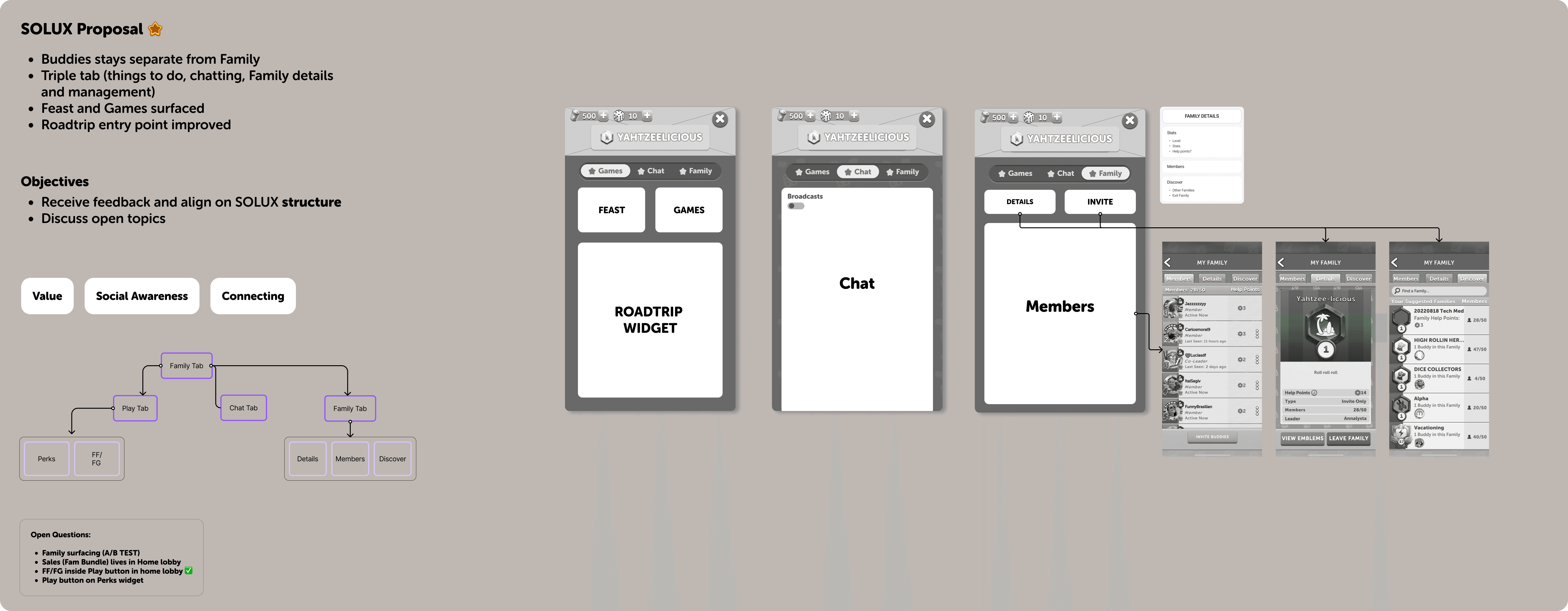
Phase 1: Social Lobby Redesign
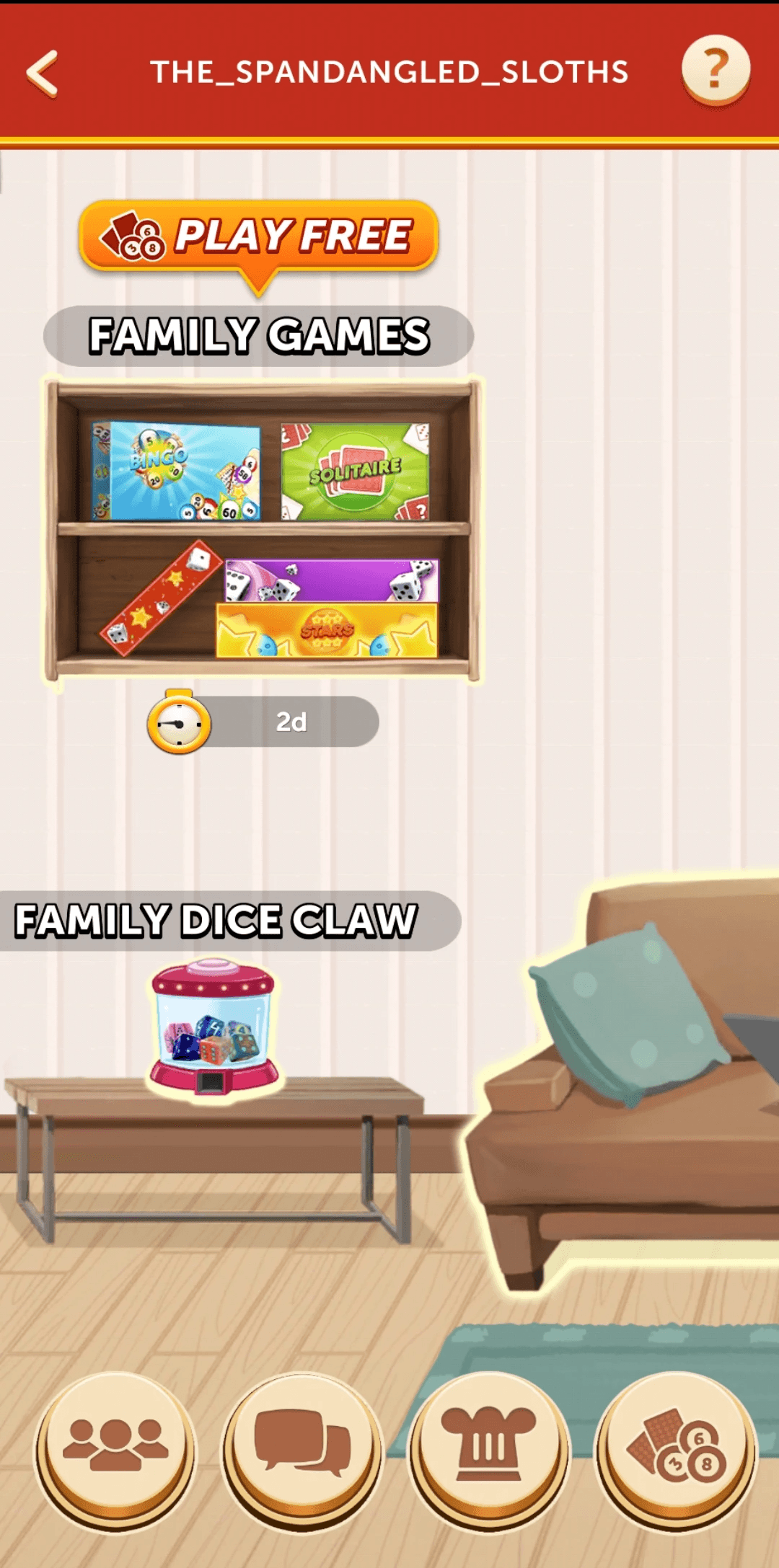
SOLUX began as an initiative to redesign the social lobby in Yahtzee With Buddies. The existing experience was fragmented across multiple screens, making it hard for players to understand where to play, how to engage socially, and what mattered most in the family experience.
At the time, the business goal was clear:
Simplify the social experience
Surface games more effectively
Strengthen family chat
Encourage gameplay through clearer direction
Challenge
We were asked to improve clarity and engagement without adding complexity. Early constraints included:
A legacy UI with multiple competing entry points
Strong player attachment to existing social features
Pressure to show quick wins amid leadership changes
Product Decisions
We reduced the lobby from three screens into a single, more legible surface, re-prioritized core actions, and clarified social hierarchy.
We validated concepts through internal reviews and early player testing, aligning usability improvements with business KPIs.
Outcome
The redesign tested well, but before full rollout the project was paused due to a shift in leadership priorities. While unfinished, this phase established:
A shared understanding of player social behavior
A foundation for future social systems
Trust in the pod model and our working rhythm
Phase 2: Road Trip Meta
Following deprioritization of the lobby redesign, the team was asked to focus on a smaller, high-impact initiative: creating a new social meta that could unify family gameplay across multiple modes.
Meta (in gaming): A system that sits above individual games, giving players long-term goals, progression, and shared meaning beyond single matches.
Challenge
Families played together, but progress reset every few days. Social pressure and collaboration were limited because:
Points were tied to short matches
Players had to play specific games to contribute
Engagement dropped between cycles
No UX/UI changes to the family lobby
Stakeholders were skeptical that a longer, shared progression would work.
Insight to Interface
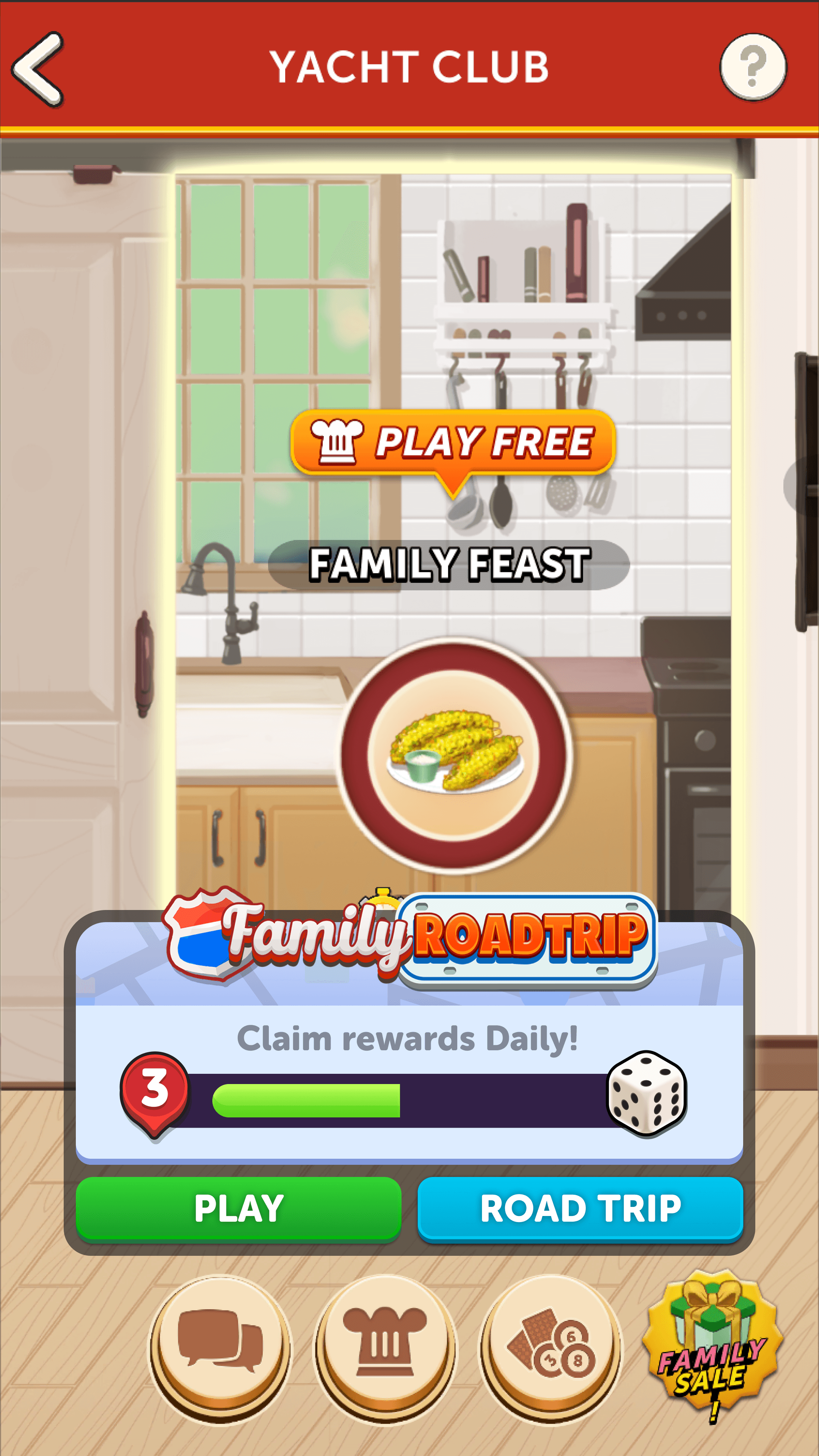
I proposed Road Trip as a metaphor for collective family progress. The idea was simple:
Any game contributes to shared goals
Progress persists over time
Rewards motivate daily return and collaboration
We tested reward pacing, challenge duration, and contribution mechanics extensively. The key insight was psychological: social pressure increases when contribution is flexible, not restrictive.
Outcome
Road Trip shipped and exceeded expectations:
Increased daily engagement
Higher family participation
Stronger long-term retention
Its success reframed how leadership viewed social features.
Phase 3: SOLUX Lite
After Road Trip’s success, leadership revisited the social lobby. However:
Scope was reduced from ~6–7 sprints to 2 sprints
Road Trip was mandated as the center of the family experience
There were active discussions about cutting family features entirely
Challenge
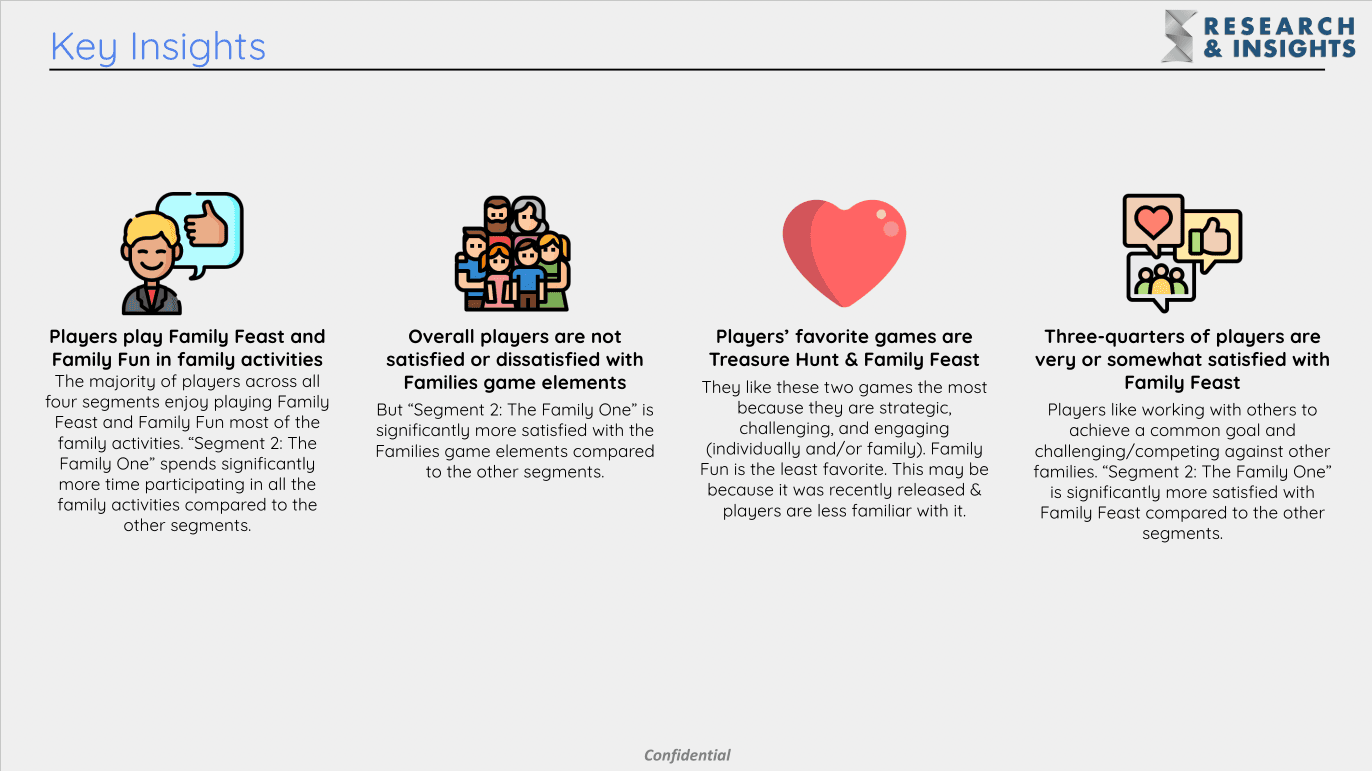
Research showed players primarily valued:
Family games
Family chat
Road Trip was still new. Replacing the familiar “family living room” with a meta system felt risky and potentially alienating.
At the same time, business metrics showed Road Trip driving DAU, retention, and engagement.
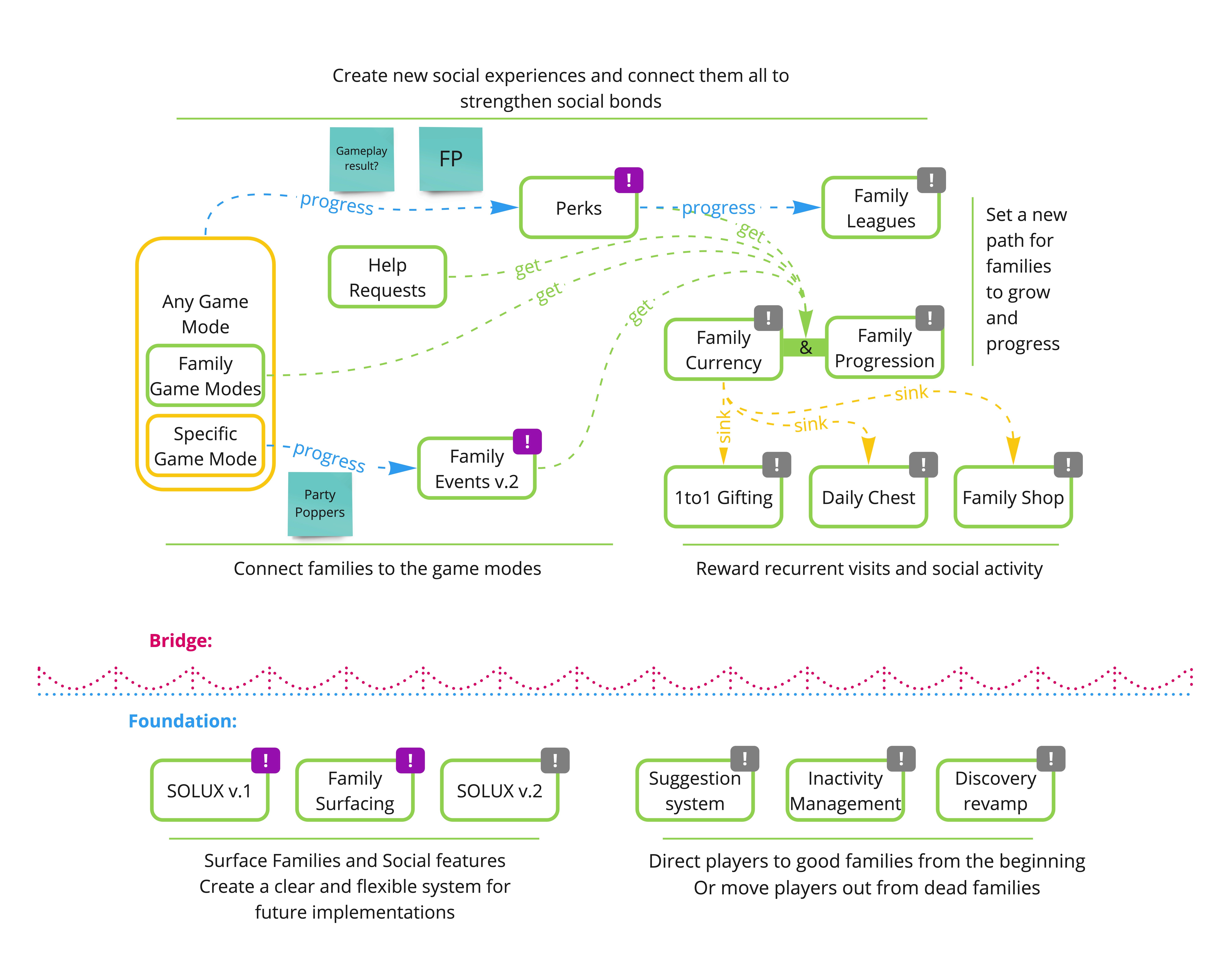
Core problem: What motivates players to want to support family progression?
Design Decisions
This phase required balancing player trust with business reality.
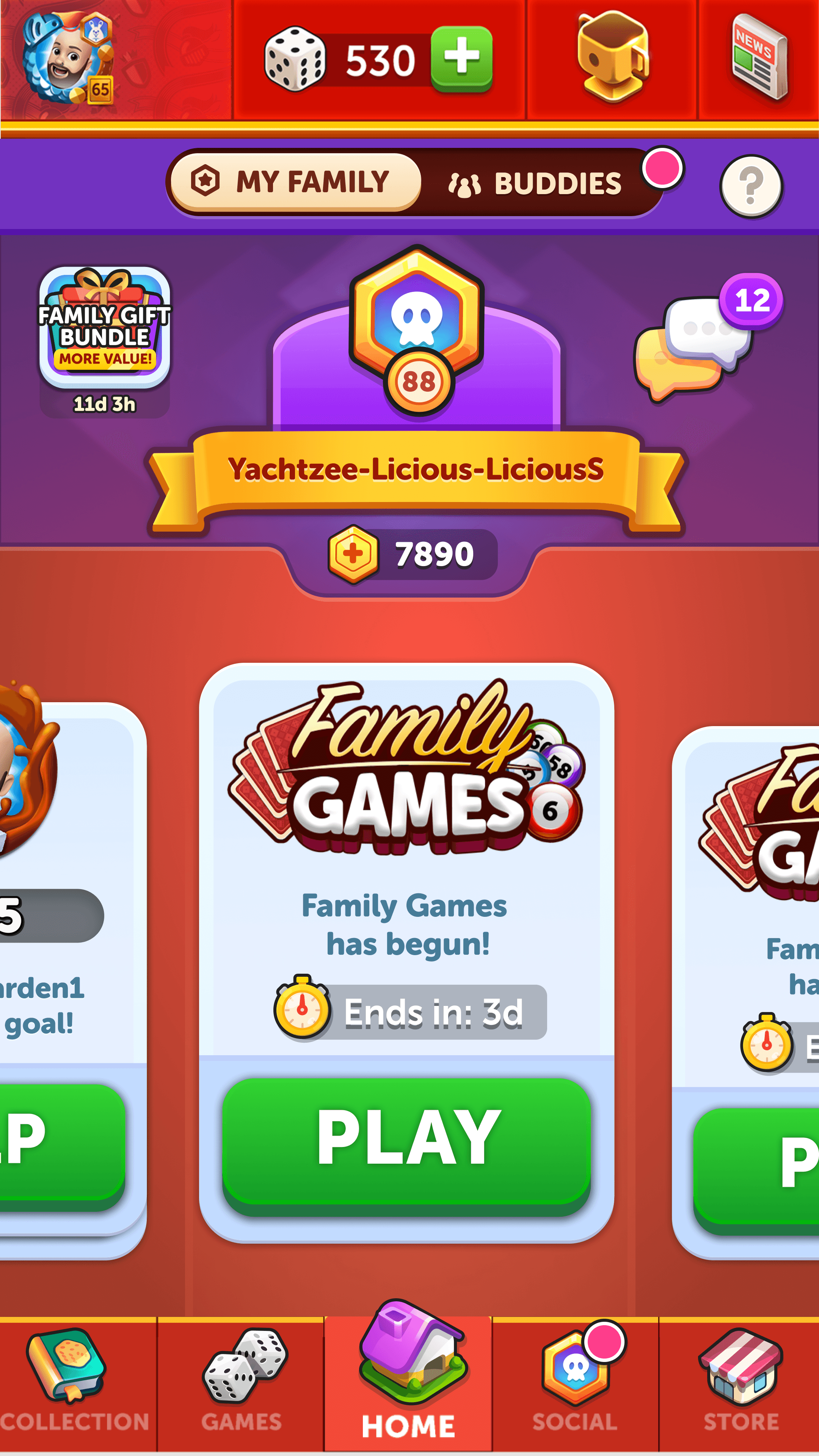
I led a rapid redesign that:
Made Road Trip the structural anchor
Preserved fast access to games and chat
Simplified the experience into a “SOLUX Lite” version
We paired the redesign with clear in-game communication and framing to help players acclimate.
Outcome
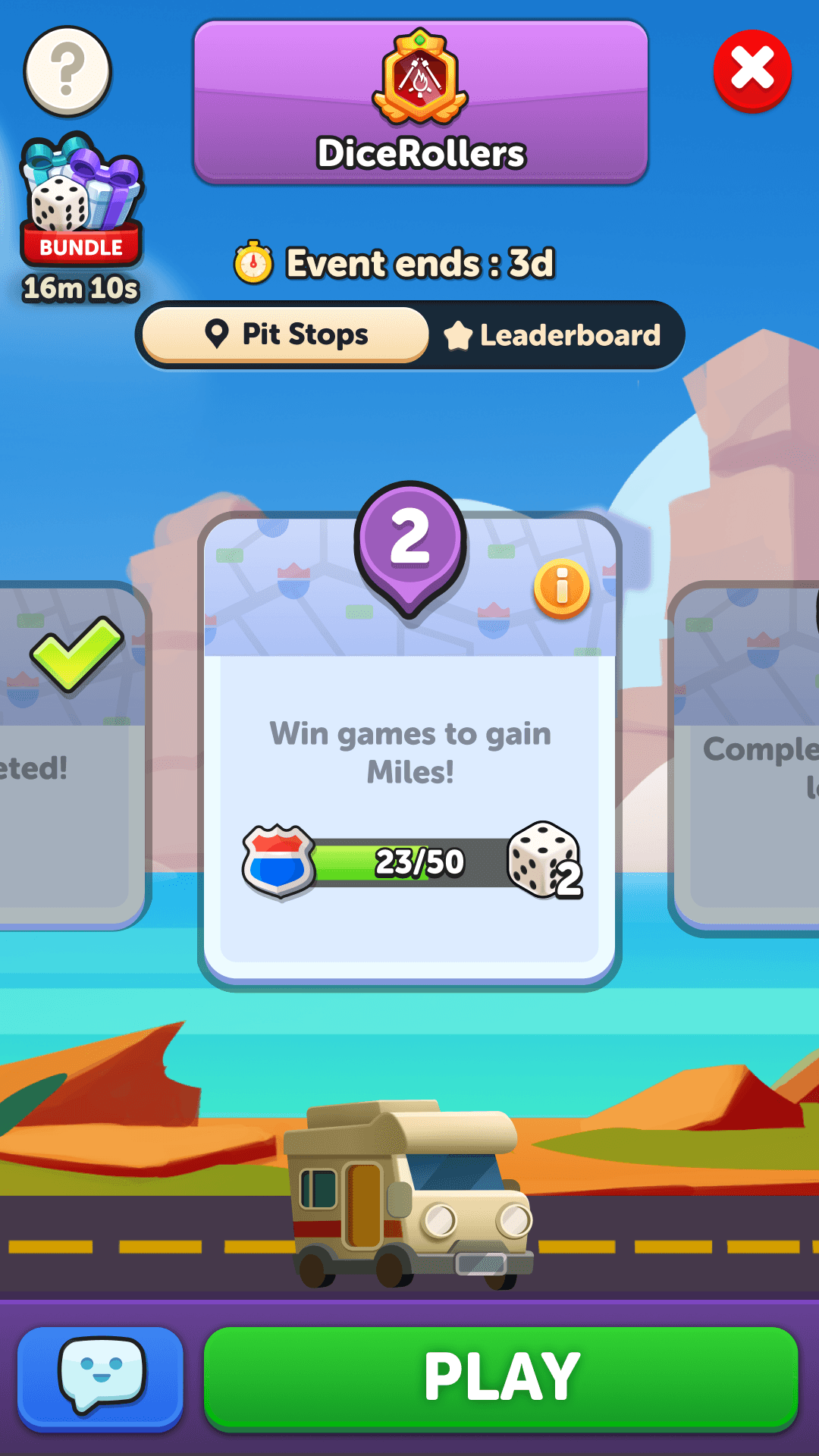
While some players initially resisted the change, adoption stabilized. Key results:
Family progression with any gameplay
Improved clarity of the social area
Continued growth in Road Trip engagement
Family features remained intact during a period when they were at risk of removal
Attetion given to family chat, gameplay CTA and meta (as per stakeholder request)
Key Learnings
SOLUX demonstrates how UX can operate as a strategic function in live-service products. Across multiple iterations, I balanced player trust, business goals, and delivery constraints while adapting to leadership changes and shifting priorities.

The work highlights my ability to:
Navigate ambiguity and changing direction without losing product coherence
Partner deeply with cross-functional teams over long time horizons
Use research and systems thinking to defend player-centered decisions
Find middle ground between metrics-driven leadership and long-term engagement
Most importantly, SOLUX shows how design can evolve without erasing what players value, even under extreme constraint.
What I shipped