Meet HeatChat
Designing an AI You Want To Talk To
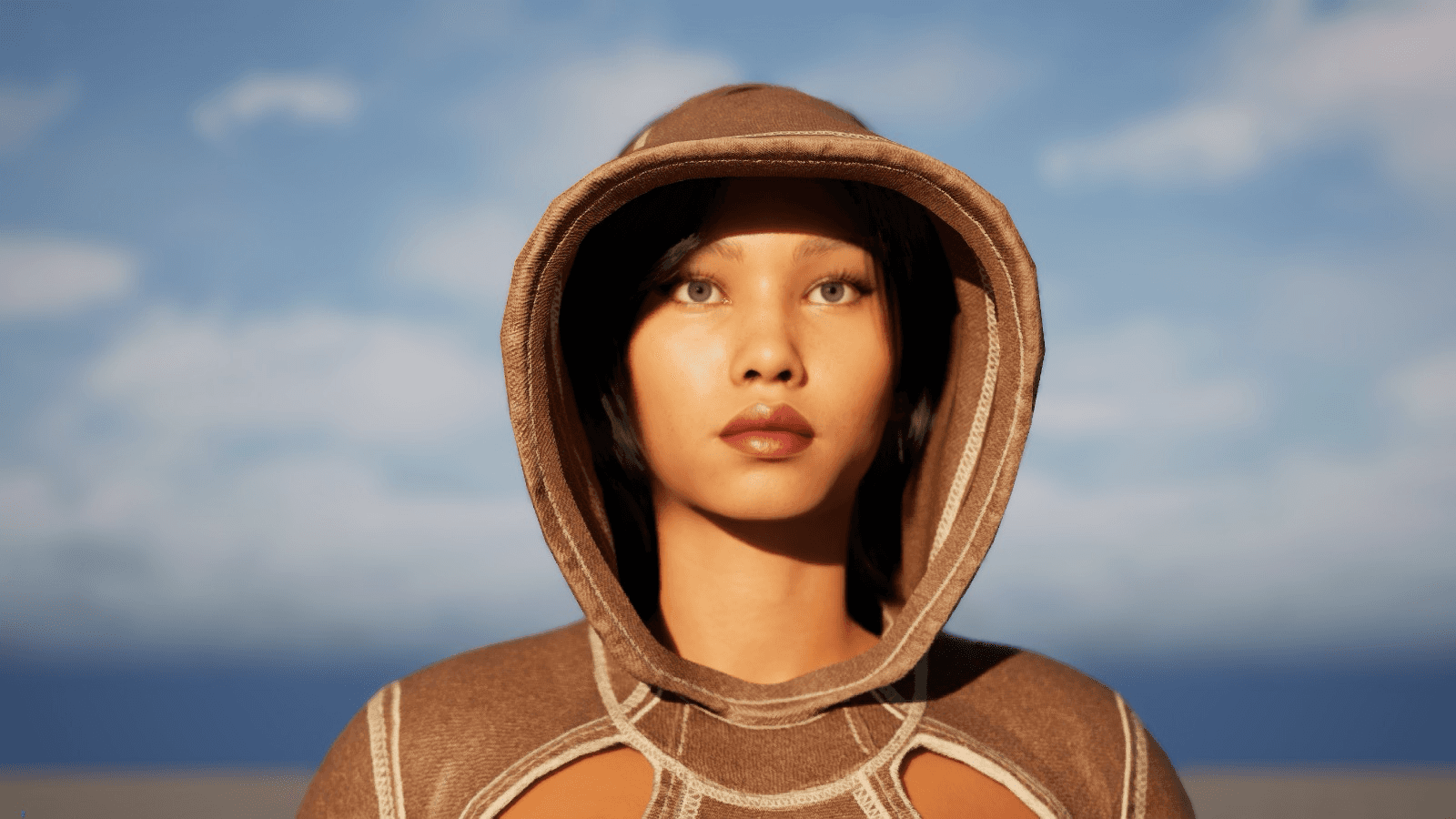
I wanted HeatChat to be more than an AI assistant. It needed to feel alive, trustworthy, and human.
Early prototypes were robotic and generic. Users could not relate to them, and the AI lacked the confidence, energy, and insider knowledge that Heat embodies.
The challenge was clear. Design a chat experience that feels like a trusted friend who knows the city, blends class and street awareness, and speaks the Heat language without ever sounding like ChatGPT.
My Role
I led HeatChat end to end, combining UX, copywriting, psychology, and AI prompt strategy:
Conceptualized the AI’s persona and tone
Designed interaction flows and dynamic UI (chat + map view)
Trained the AI to produce human-like, context-aware responses
Integrated it into Heat and collaborated with developers
Created microcopy, prompts, and messaging frameworks
Marketed HeatChat as the go-to insider guide
Process
Research and Community Feedback
I knew assumptions alone were not enough. HeatChat had to reflect real user expectations.
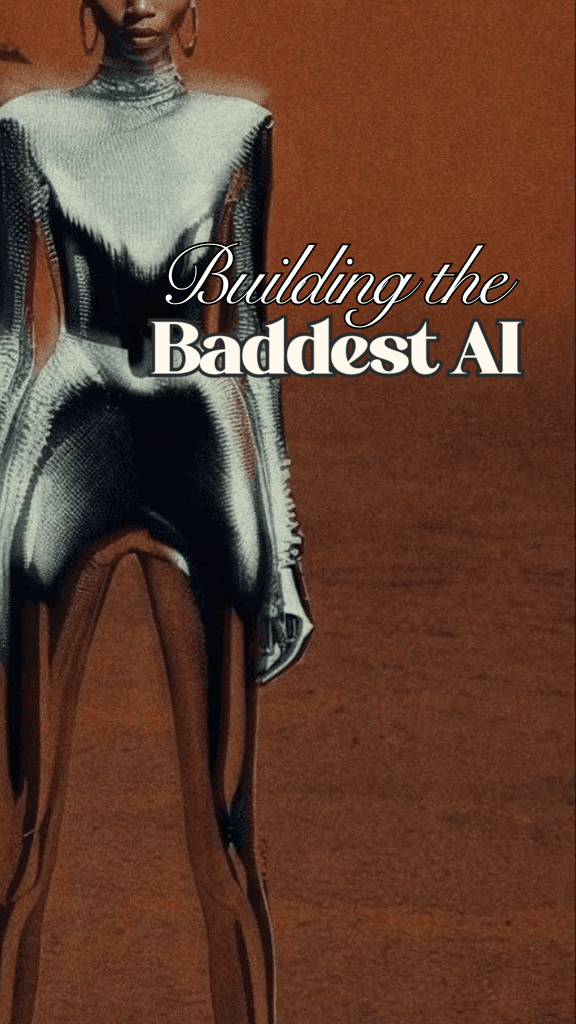
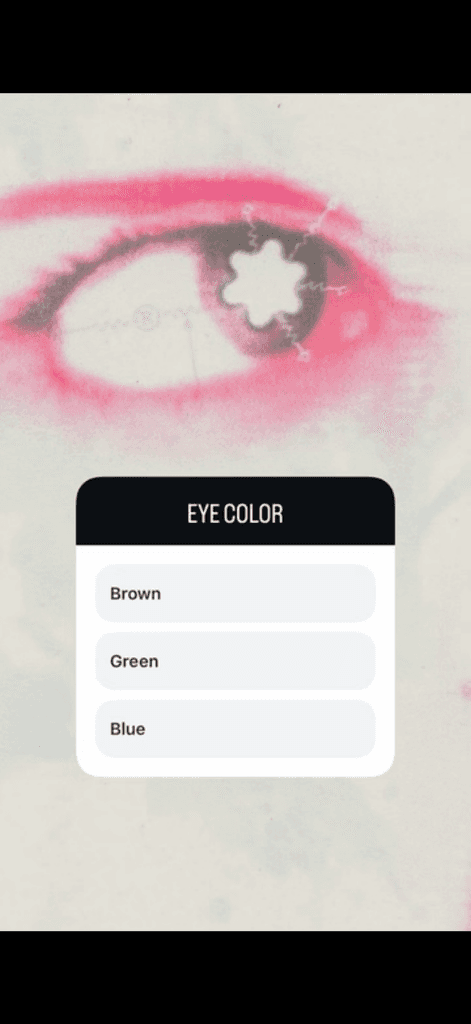
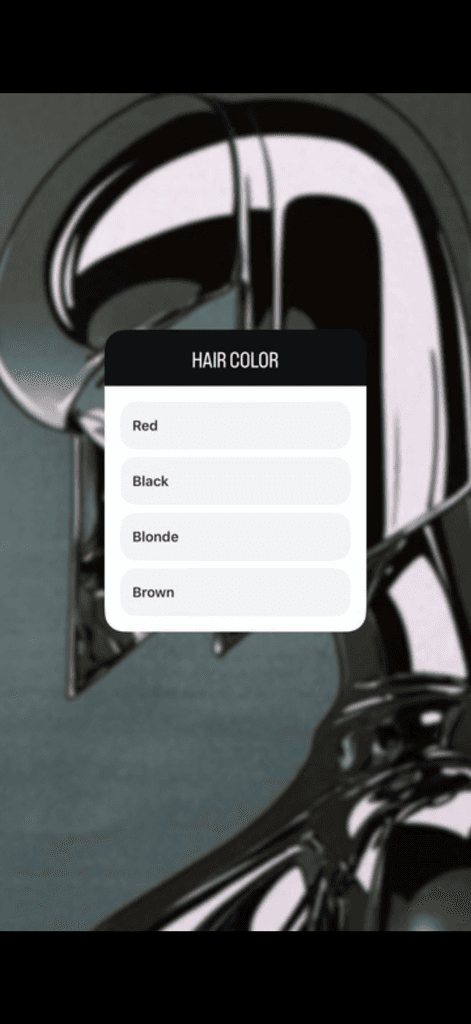
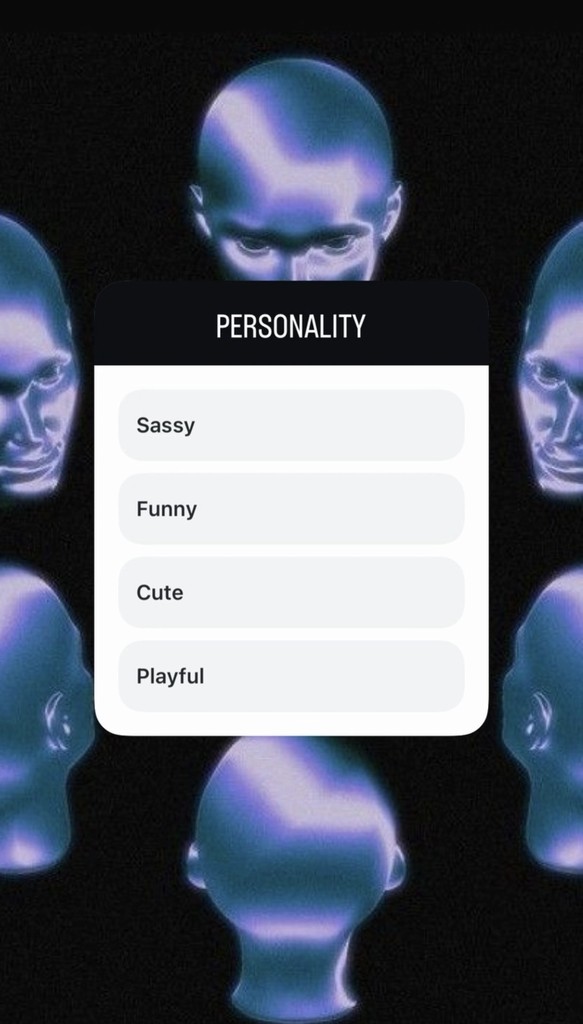
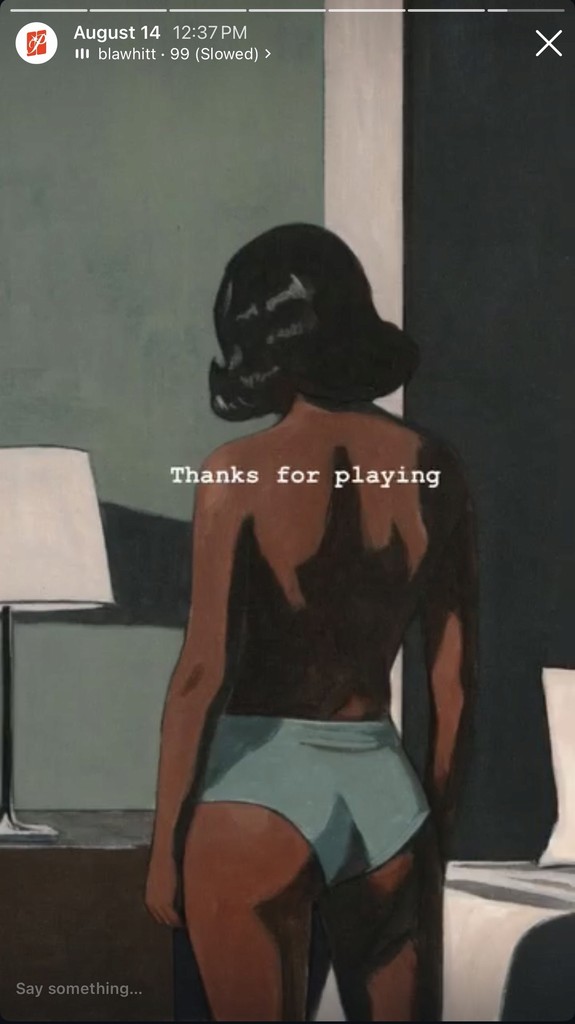
We asked our followers and community how they pictured the AI:
Male or female
Sophisticated or playful
Classy or street-smart
Synthesized responses to define persona traits that were relatable
Persona and Tone Design
Next, I gave HeatChat a face via MetaHuman and built a personality that embodied class and street awareness.
Defined traits: witty, confident, approachable, insider
Created a tone map for different interaction types (greeting, recommendations, errors, encouragement)
Outlined dos and don’ts to stay on-brand
Visual Placement: MetaHuman image and tone map diagram
Copy and AI Prompt Framework
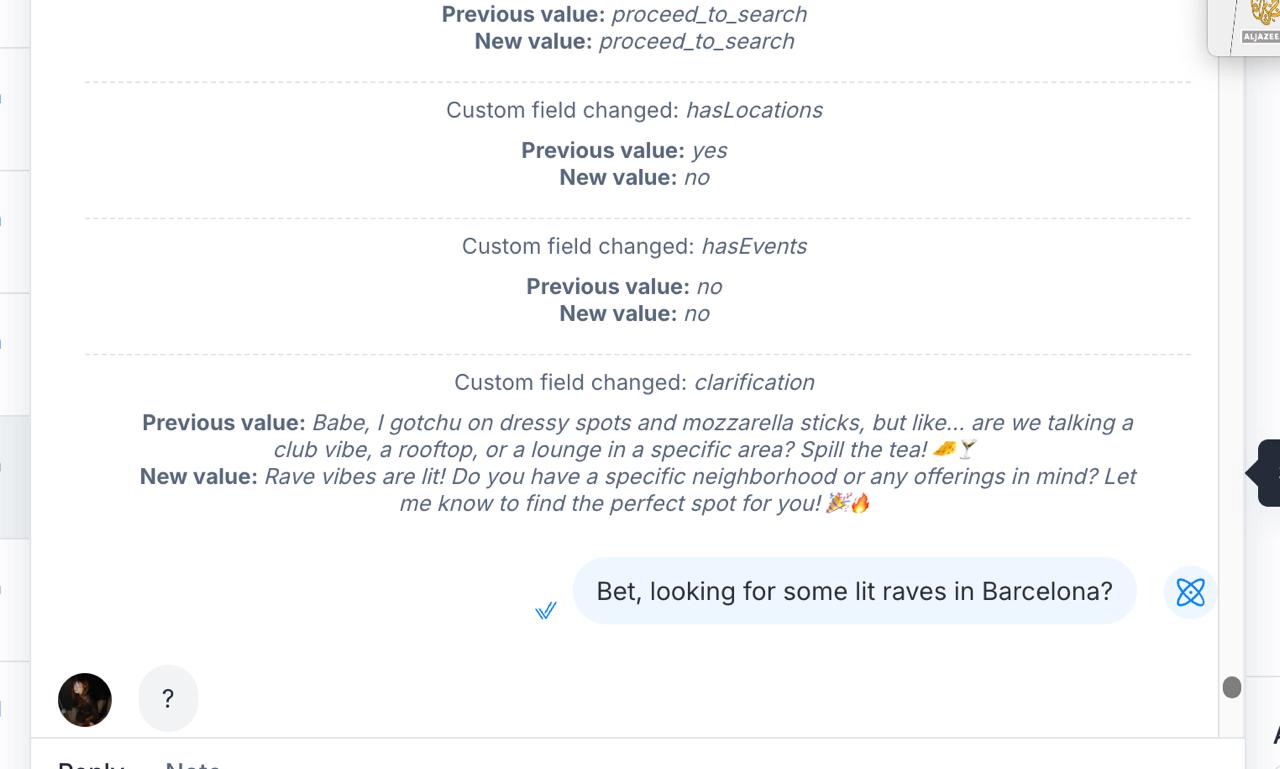
Microcopy was everything. I built prompt frameworks to guide AI responses:
Example prompts for recommendations, greetings, and conversational context
Iteratively edited outputs to humanize tone
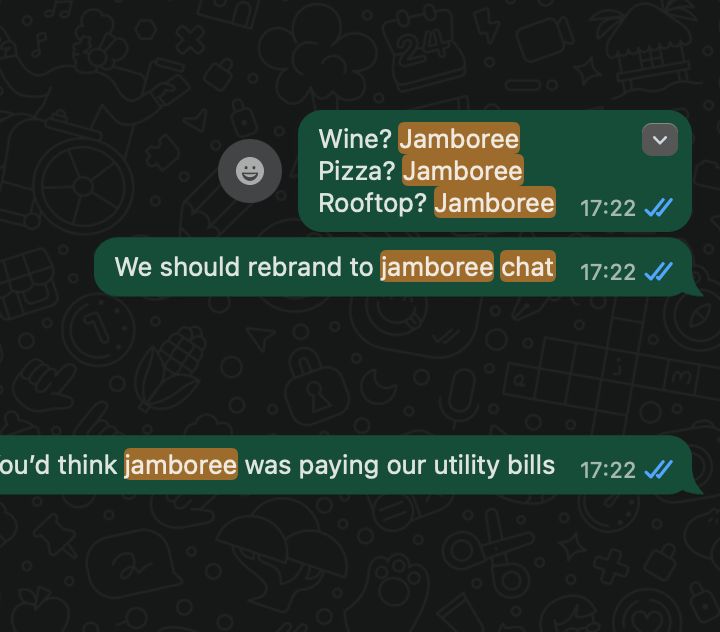
Avoided anything “ChatGPT-like.” The AI sounds like a friend with insider knowledge
Visual Placement: Sample prompts → AI output → humanized HeatChat response
Testing and Iteration
Tested prompts and flows with internal users
Iterated based on tone, clarity, and engagement
Early errors were corrected and became learning examples for the AI’s future behavior
Visual Placement: Screenshots of early mistakes versus final messages
Results and Impact
HeatChat now feels like a trusted, human-like insider and not just a generic assistant
Users connect with it as a friend who knows the city, increasing engagement and retention
Developed a repeatable framework for AI UX: persona → tone → prompts → microcopy → integration
Blended psychology, UX design, and copywriting into a cohesive product that feels personal, fun, and emotionally intelligent
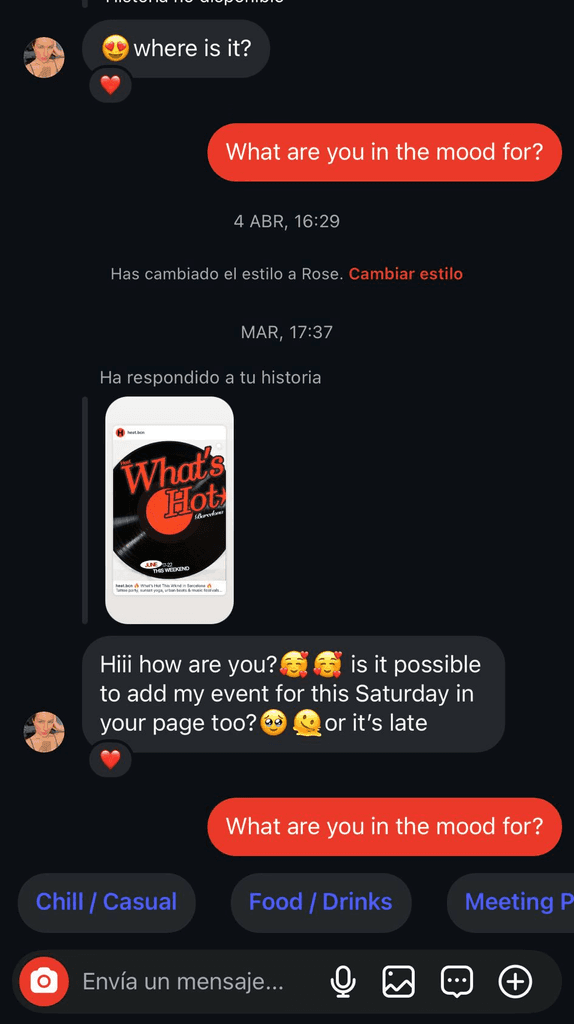
Visual Placement: Video of you explaining HeatChat or real-life chat screenshot
Feature title.
Feature description.
Feature title.
Feature description.